Welcome to the

Collective Memory & Dynamic Cognition Lab.

Directed by Garrett D. Greeley, Ph.D.

We study how memory operates in dynamic contexts: how people construct, share, and revise memories individually or in group contexts, and how those processes unfold over time.

About the Lab

The Collective Memory and Dynamic Cognition Lab investigates how memory is shaped and reshaped as people navigate dynamic contexts, including (but not limited to) social interaction and group recall. We combine behavioral experiments with quantitative and computational methods to study how memory changes over time, how it is constructed and revised individually and in groups, and how those processes relate to the spread and correction of misinformation. Undergraduate research assistants are core members of the lab, contributing to every stage of the research process, from study design to data collection and analysis.

People

The researchers behind the lab.
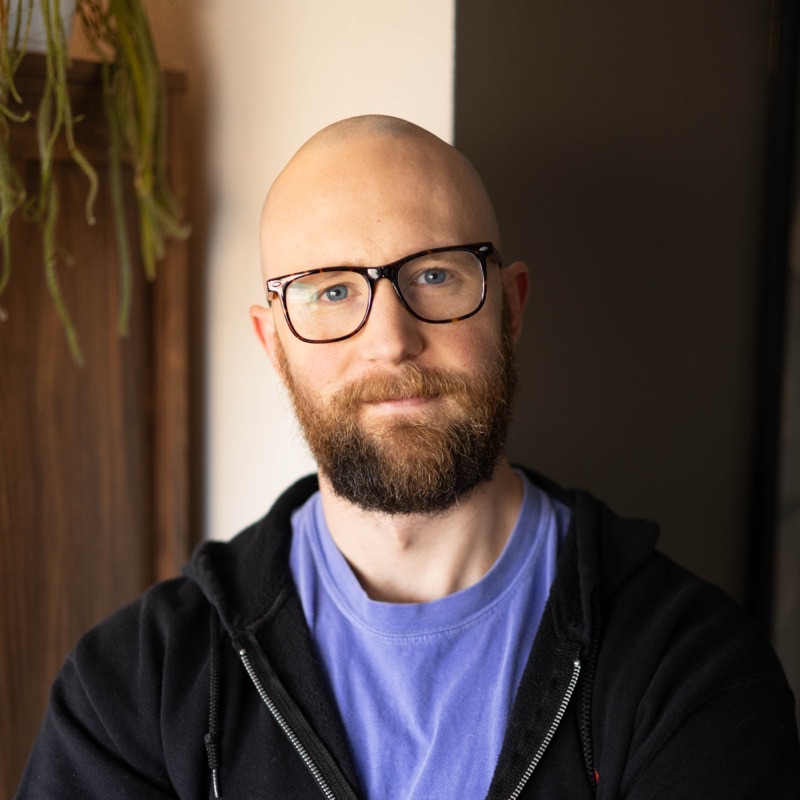
Garrett D. Greeley, Ph.D.

Garrett D. Greeley, Ph.D.

Principal Investigator

Garrett D. Greeley is a cognitive scientist studying how memory operates in dynamic contexts: how people construct, share, and revise memories individually and in group settings, and how those processes unfold over time. He directs the Collective Memory and Dynamic Cognition Lab, where he and his students investigate memory as it is shaped by social interaction, temporal context, and the spread and correction of misinformation. He holds a Ph.D. in Cognitive Science from Stony Brook University and is currently a Visiting Assistant Professor at Trinity University in San Antonio, TX.
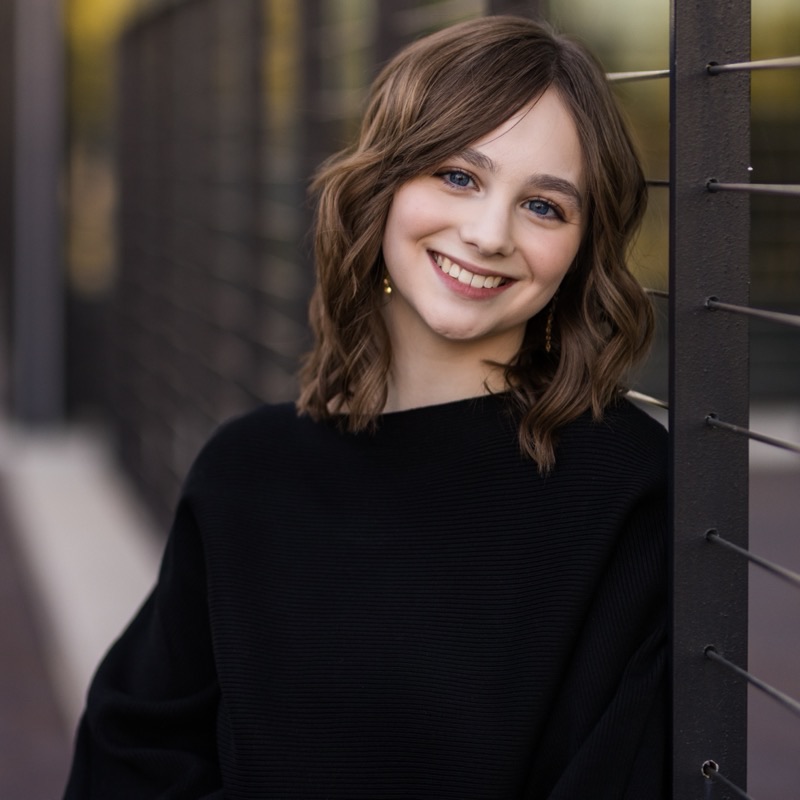
Olivia Holdsworth

Olivia Holdsworth

Research Assistant

Olivia Holdsworth is a senior undergraduate at Trinity University pursuing a degree in Psychology. Her research interests are in cognitive and social psychology, particularly memory retrieval and reliability. Outside the classroom, she enjoys reading, photography, and yoga.
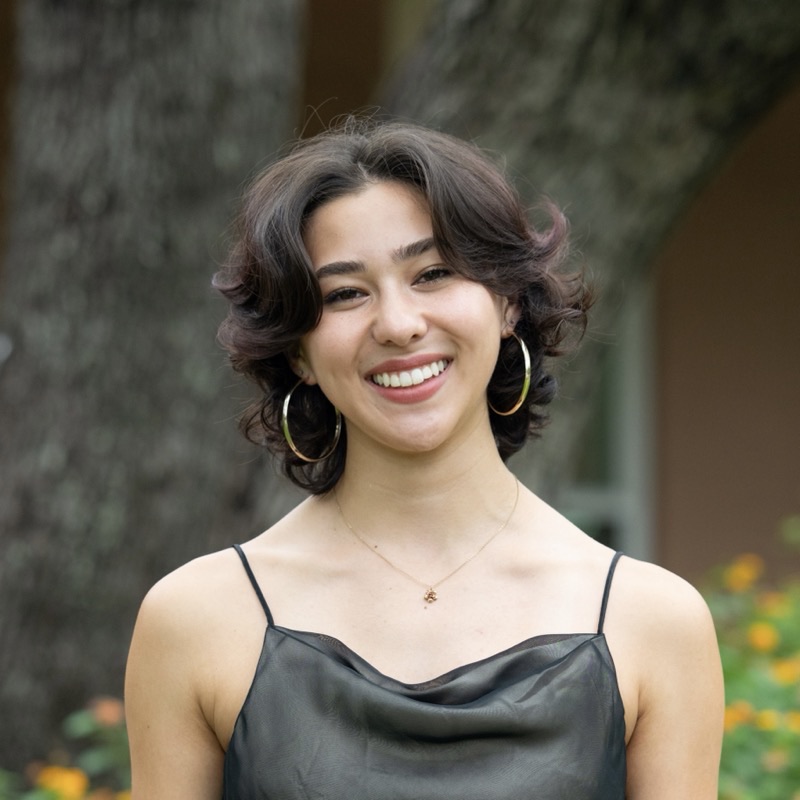
Aurelia Byman

Aurelia Byman

Research Assistant

Aurelia Byman is a freshman at Trinity University planning to major in Neuroscience on the pre-med track. She is especially interested in cognitive and developmental psychology, which she hopes to pursue through a future career in pediatrics. Outside of school, Aurelia is an Eagle Scout who enjoys crocheting, spending time outdoors, and watching movies.

Research

We study how memory is shaped and reshaped as people navigate dynamic contexts, combining behavioral experiments with quantitative and computational methods.

Work in Progress
  • Context Shift Mechanisms. How does a stark context shift, induced by directed forgetting instructions, interfere with context reinstatement? We're examining this question at multiple levels of analysis, including potential breakdowns in temporal context reconstruction using fine-grained analyses (e.g., Lag-CRP). Phase: Data Collection
  • Cue Strategy as Support or Hindrance. How does the serial position of words at encoding influence the extent to which they support or hinder recall when used as cues during retrieval? We're addressing this question by integrating classic work on part-set cuing effects with modern theoretical ideas about context maintenance and retrieval. Phase: Data Collection
  • Quantifying Collective Memory in Larger Groups. A strict definition of collective memory requires that all members of a group recall a particular word or detail. In real life, that bar is too high. We are developing metrics for characterizing collective memory in larger groups and networks that take a spectrum approach instead of an all-or-nothing one. Phase: In Development

Themes

Dynamic Cognition

Memory and cognition are not static snapshots; they shift with context, time, and experience. We examine how remembering, learning, and belief change unfold dynamically as people navigate new information and changing circumstances.

Collaborative & Collective Memory

Social interaction is one powerful context that shapes memory. How do groups remember together, and what emerges from that process: shared understanding, converging error, or both? We study how interaction shapes what individuals and groups come to know and recall.

Misinformation & Knowledge Integrity

How does false information take hold in individual and collective memory, and what conditions make groups more or less resistant to it? This work connects basic memory research to real-world questions about trust and shared knowledge.

Recent Publications

* indicates undergraduate co-author

2025

Downstream Consequences of Collaborative Recall: Testing the Influence on New Learning and Protection of Original Learning

Greeley, G. D. & Rajaram, S.

Memory & Cognition

DOI →
2023

Collaborative Recall and the Construction of Collective Memory Organization: The Impact of Group Structure

Greeley, G. D., Chan, V., Choi, H-Y., & Rajaram, S.

Topics in Cognitive Science

DOI →
2022

Social Remembering in the Digital Age: Implications for Virtual Study, Work, and Social Engagement

Greeley, G. D., Peña, T., & Rajaram, S.

Memory, Mind & Media

DOI →

Get in Touch

Interested in joining the lab, collaborating, or learning more about our work? Reach out.